

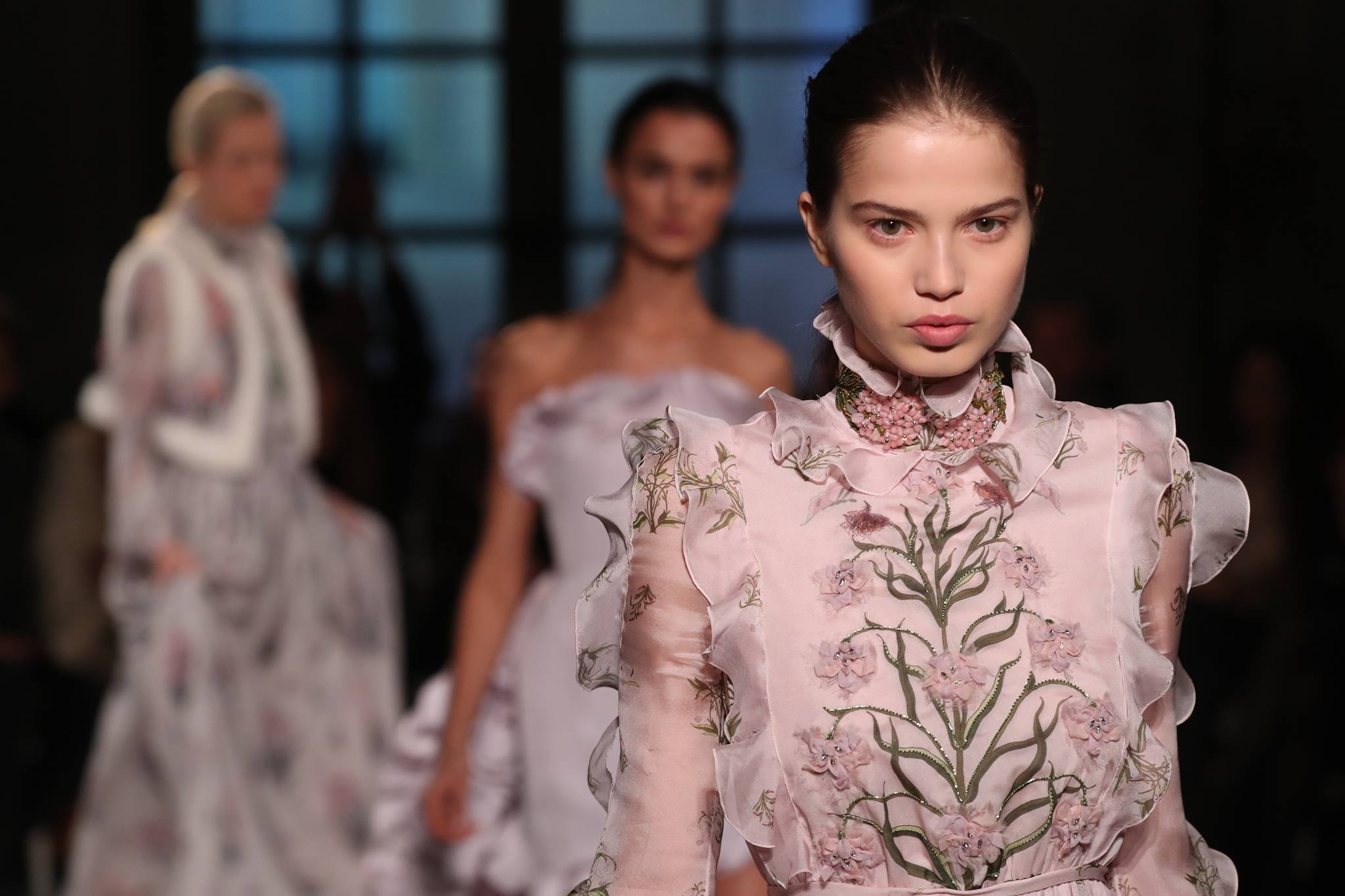
When we hear the word Haute Couture, two things might come to mind. First, we associate it with high quality and perhaps an enormous price tag. Both are true, but it’s actually a little more complicated than that. It’s true that Haute Couture has always been regarded as avant-garde, exclusive, and out of reach for many fashion lovers. But as the years progress, Haute Couture has changed in how it exists in the public eye.
Make no mistake that they are still extremely limited, but it is no longer as distant or invisible thanks to the influence of social media, exhibitions, and livestreamed shows. Still, only a small number of fashion houses present haute couture collections each year, most notably during Paris Haute Couture Week.
So, if you’re wondering what Haute Couture really is, let us guide you into the beautiful world of high fashion.
The Birth of Haute Couture
First things first, a couturier is not the same as a fashion designer. A couturier is someone who creates and sells bespoke clothing to a pool of private clientele. So, what sets it apart? Couture garments are made to measure, often by hand, and traditionally catered to high society women instead of ready-to-wear fashion and has a place in a category of its own.
As the name suggests, haute couture originated in France. Interestingly, however, the first haute couture fashion designer was actually an Englishman: Charles Frederick Worth, dubbed as the father of haute couture, who opened his first atelier in Paris in 1858 and quickly gained the patronage of Empress Eugénie, the wife of Napoleon III, per Forbes.
In 1868, France then formalized the industry by establishing Paris's Fédération de la Haute Couture et de la Mode (FHCM), a prestigious governing body that sets strict criteria for any fashion house who wants to be officially recognized as a haute couture house.
The terms require that a fashion house must produce bespoke garments, with each piece custom made for an individual client and exclusive to them in both design and fit. These creations cannot be replicated.
Every garment must be made by hand by a team of highly trained artisans, each specializing in a specific craft such as beading, embroidery, pleating, or sewing. Lastly, all pieces must be created using the finest possible materials, textiles, and notions, which were historically sourced from France.
Why Is It So Exclusive, then?

The short answer is time and investment. To create a single haute couture dress, an immense amount of time, energy, and financial commitment is required. For instance, according to Vogue Magazine, one Giambattista Valli haute couture gown can take approximately 240 hours and 6,000 metres of fabric to complete. Meanwhile, Dior’s haute couture wedding dress for Italian fashion influencer Chiara Ferragni reportedly took creative director Maria Grazia Chiuri and her team 1,600 hours to finish.
Not only does it take a village to design and construct a single couture piece, but it also demands exceptional craftsmanship at every stage. Valentino, for example, employs around 70 seamstresses in its Rome atelier. On the client side, the process is equally intensive, often requiring up to ten fittings to ensure that a heavily embroidered, one-of-a-kind gown is perfectly customised in both design and fit.
Haute Couture Today

But in today’s digital media era, the world of haute couture is slowly adjusting to changes. “Whereas haute couture was usually reserved for older women, we have witnessed an interesting phenomenon of generational change and millennials are now intelligently included,” says the FHCM president Ralph Toledano.
The organization has also expanded into couture education, while establishing womenswear and menswear selection committees for Paris Fashion Week, made up of brand representatives, buyers, and journalists, to ensure objectivity and transparency in the membership process. In short, haute couture continues to shape how we understand quality and design today.
Catch the couture fever yet? Shop your brand-new designer items today at MAYFEYR.


Share:
Celine Triomphe Bag: Why Everyone Can’t Get Enough of This Iconic Luxury Piece
How to Clean Your Designer Handbags: A MAYFEYR Guide