


The New-Season Investment Bag: What Makes It Worth Buying is most useful when it makes familiar warm-weather dressing feel more composed without asking for a complete change of wardrobe. The key is to assess proportion, material, carrying style, and the kind of day the piece must serve—not simply its first impression.
The three comparisons below are designed as wardrobe decisions rather than a catalogue. Each starts with a styling question, follows it into a related visual, and then offers two live MAYFEYR options with distinct but complementary roles.
That approach keeps an investment practical. A piece can still be expressive, but it should work with what you already wear and move naturally between professional, social, and personal time. The most convincing choice is usually the one that makes the next outfit easier to assemble.
A good test is to make the decision with the rest of the wardrobe in view. Lay out the trousers, dresses, shirts, and light layers that already earn their place, then ask what this new element improves. Does it bring definition to a fluid silhouette, make movement easier, or give a simple look more presence? If the answer relies on a completely new set of clothes, the piece may be an attractive idea rather than a useful addition.
It is also worth separating visual pleasure from daily responsibility. A strong purchase should have both, but its practical demands deserve attention: how it is carried or worn, how easily it moves between humid streets and cool interiors, and whether it can meet an ordinary day without constant adjustment. That kind of consideration is what allows style to feel relaxed rather than rehearsed.
In this kind of dressing, the smallest change can carry the greatest effect: a precise line, a useful texture, or a better sense of scale.
Judge the Structure Before the Status
A new-season investment bag is worth considering when its shape gives the wardrobe a role it does not already have. That might be a controlled shoulder line beside fluid clothing, a compact silhouette that keeps the day light, or a material that looks settled after frequent use. The strongest choice does not rely on novelty alone; it earns attention through proportion, touch, and repeat usefulness.
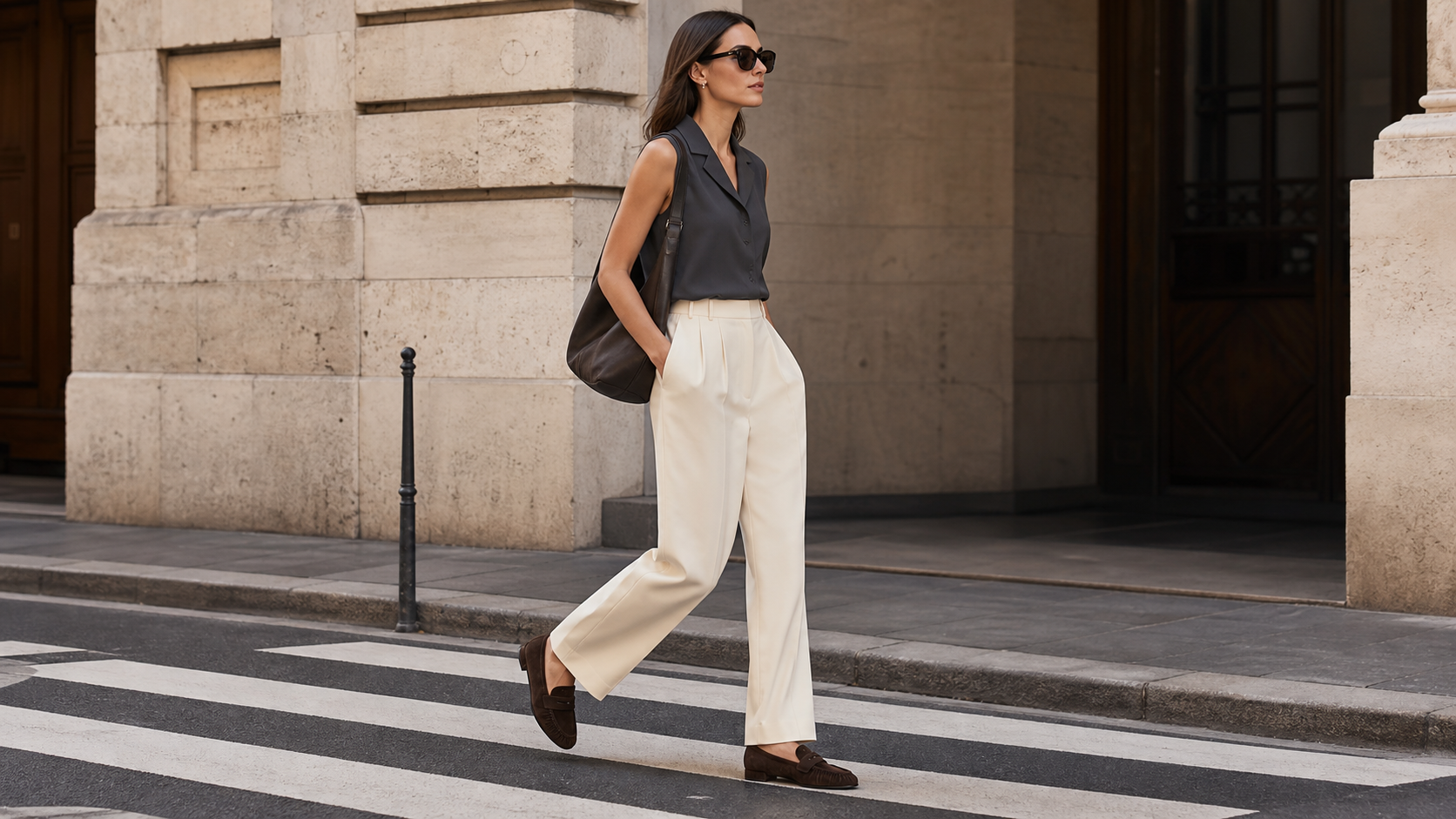
Begin by comparing two structured dark bags with different carrying logic. One can make a tailored outfit feel more deliberate; the other keeps the same visual clarity closer to the body. Recent Vogue Business reporting on selective luxury spending similarly points to close attention to quality, design, and usefulness. Let that be a prompt to assess the work a bag will do in your own week.


Choose Scale for Your Actual Day
Scale is personal, but it should be tested against real habits rather than an imagined occasion. Think about the phone, wallet, notebook, glasses, and small extras that travel with you, then ask how the bag sits with the trousers, dresses, and outer layers you reach for most. A piece that looks refined but creates friction at every transition is unlikely to become an easy repeat.
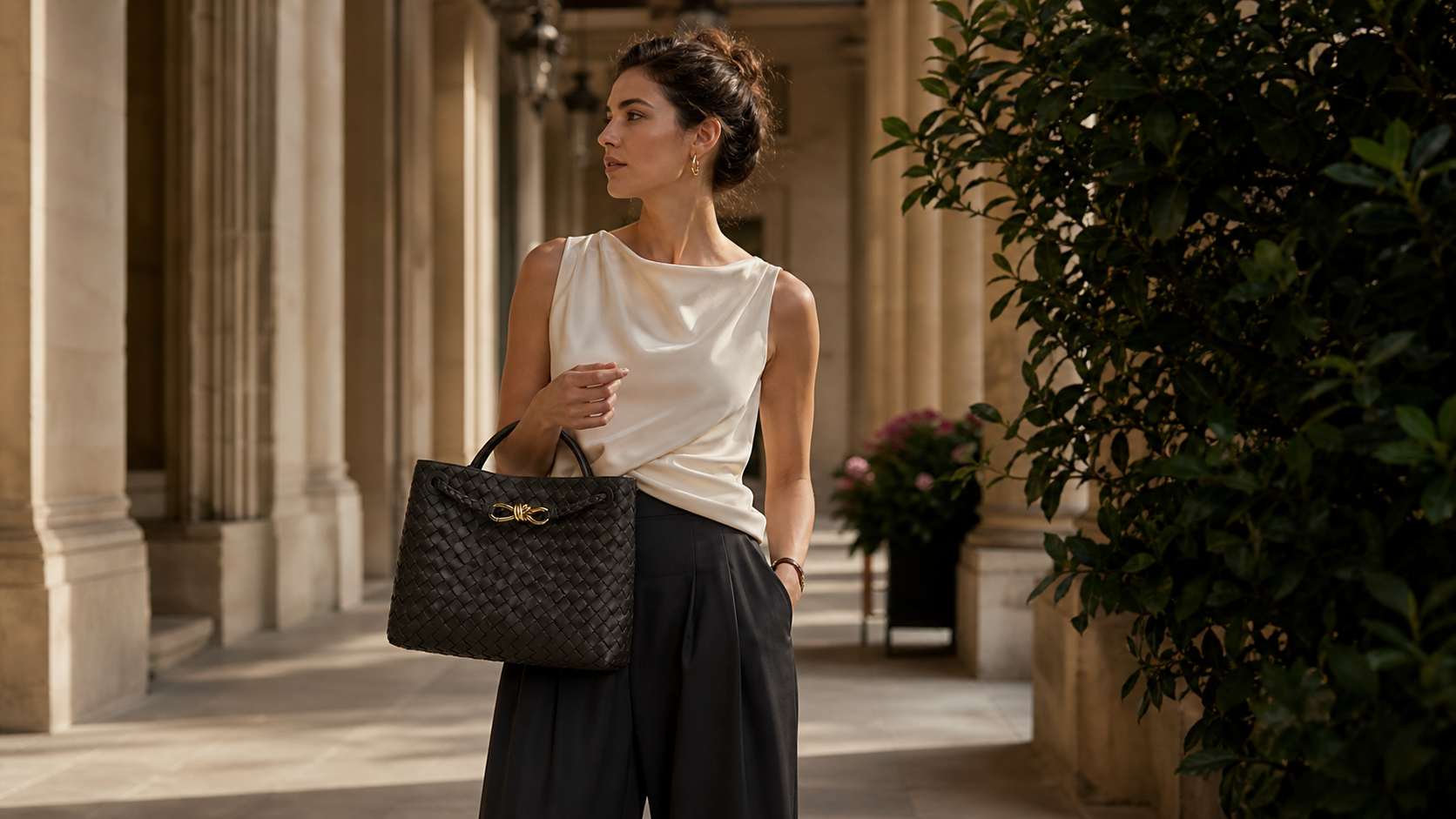
A compact structured tote and a warmer neutral shoulder bag offer two useful directions. The first lets colour or texture make a quiet point; the second can soften a sharper tailored line. Neither needs to be treated as a dramatic statement. The question is whether its scale improves the combinations you already enjoy.


Test the Carrying Options
Before deciding, imagine the bag in motion: carried into a meeting, placed beside a table, worn on a short walk, and picked up again at the end of the evening. A useful investment should retain its point of view through those changes, rather than feeling precious or cumbersome when the day becomes less controlled.
Compare two compact shoulder shapes as a final test of proportion. One brings a crisp, close-to-the-body line; the other has a smoother visual curve. Try them against a relaxed blazer and a fluid dress, then notice which one clarifies the outfit without asking to become its whole story. You can also explore MAYFEYR’s women’s bags by the role you need most.


Before committing, step away from the first rush and return to the practical questions. Does the piece suit the clothes, scale, and pace of the life you already have? Can you picture it through several settings and seasons? Those questions make room for a more personal, durable decision.
There is no need for every purchase to be neutral or invisible. Colour, texture, and a recognisable silhouette can all have a place when their function is clear. The useful distinction is between a piece that asks to be the whole outfit and one that gives the outfit you already own a more confident finish. That second kind of impact is often the one that lasts.
Use the final comparison as a pause, not a prompt to acquire more. If one option makes the existing wardrobe feel more capable, it has done its job. If both feel equally persuasive, wait until you can imagine the situations in which each would naturally appear. Time is part of the edit, and it often reveals the choice that will stay satisfying after the initial excitement has passed.
This is especially helpful in warm-weather wardrobes, where light clothing leaves proportion and accessories more visible. A single controlled line, a lighter layer, or a well-chosen compact shape can create the sense of transition that heavy seasonal dressing usually supplies elsewhere. It is a quieter, more practical form of new-season direction.
FAQ
How do I choose a luxury piece I will use often?
Start with the outfits and settings that already make up your week. Choose the item whose proportion, material, and carrying or wearing method make those outfits easier to repeat.
What makes a compact accessory or lightweight layer feel polished?
Clear proportion, useful construction, and a role within an existing wardrobe matter more than excess detail. The piece should add definition while leaving the rest of the outfit easy to wear.
Final Takeaway
A considered wardrobe is built through useful contrasts: structure with lightness, polish with movement, and character with repeat wear. Choose the option that works hardest for your real routine, then let the clothes around it stay familiar.


Share:
How to Wear Espresso, Burgundy and Forest Green in Warm Weather
5 Luxury Polo Shirt Brands You Need This Season