


A day-to-evening dress should not depend on a complete transformation. The base garment needs to feel appropriate and comfortable before the shoes or bag change. Fabric, movement, neckline and length do most of the work; accessories should redirect the mood rather than rescue an unsuitable dress.
For warm climates, this distinction is crucial. The dress must function through heat, transit and indoor cooling, then accept a more focused accessory for dinner or an event. This guide compares three dress formulas using current MAYFEYR women's clothing, shoes and bags, with exact product claims left to the live pages.
Begin with a Dress That Works by Day
The first test for a day-to-evening dress is daylight. Does the neckline sit comfortably? Can you walk, sit and carry a bag without managing the garment? Does the fabric feel suitable for the climate and setting? A dress that succeeds only under evening lighting is not doing two jobs.
Dark colour is useful but not mandatory. Black and navy create a calm base for both work and dinner, while brown, olive or cream can be equally flexible when the silhouette is clean. Consider opacity, lining and care on the exact product page. Never assume a dark dress is automatically practical or a pale dress is automatically delicate.
A midi length often creates range because it accepts flats, loafers and a more refined evening shoe. The ideal length depends on the wearer and the shoe profile. Check where the hem meets the calf and whether it leaves enough space for the footwear to remain visible.
The Max Mara Studio Campo dress and Tod's flat shoes form a composed daytime pair. The flat keeps the outfit grounded for movement, while the dress provides the uninterrupted line. Add a work bag and minimal jewellery, then change only one element when the day moves into evening.
To compare more live options, use MAYFEYR's Max Mara dress search and Tod's collection. Search and collection pages are starting points; the specific product page remains the source for current details.
Test the dress with the bag you carry most during the day. A shoulder strap may pull at a delicate neckline, while a large tote can interrupt a carefully placed seam or drape. The right day base should tolerate ordinary accessories without losing its line. If it works only when carried empty and untouched, it is not yet a practical choice.
Movement is equally revealing. Walk quickly, climb stairs and sit for several minutes. Observe whether the hem, waist or neckline requires adjustment. A polished appearance grows from ease; a dress that lets you forget about it will transition more gracefully than one that needs constant attention.


Use Texture and a Compact Bag to Shift the Mood
Texture can give a designer dress for day and night depth without requiring conspicuous decoration. A cotton-and-linen surface may feel relaxed in daylight, then become more dimensional under evening light. The key is a silhouette clean enough to accept both interpretations. Verify composition and care before drawing conclusions about how a fabric will behave.
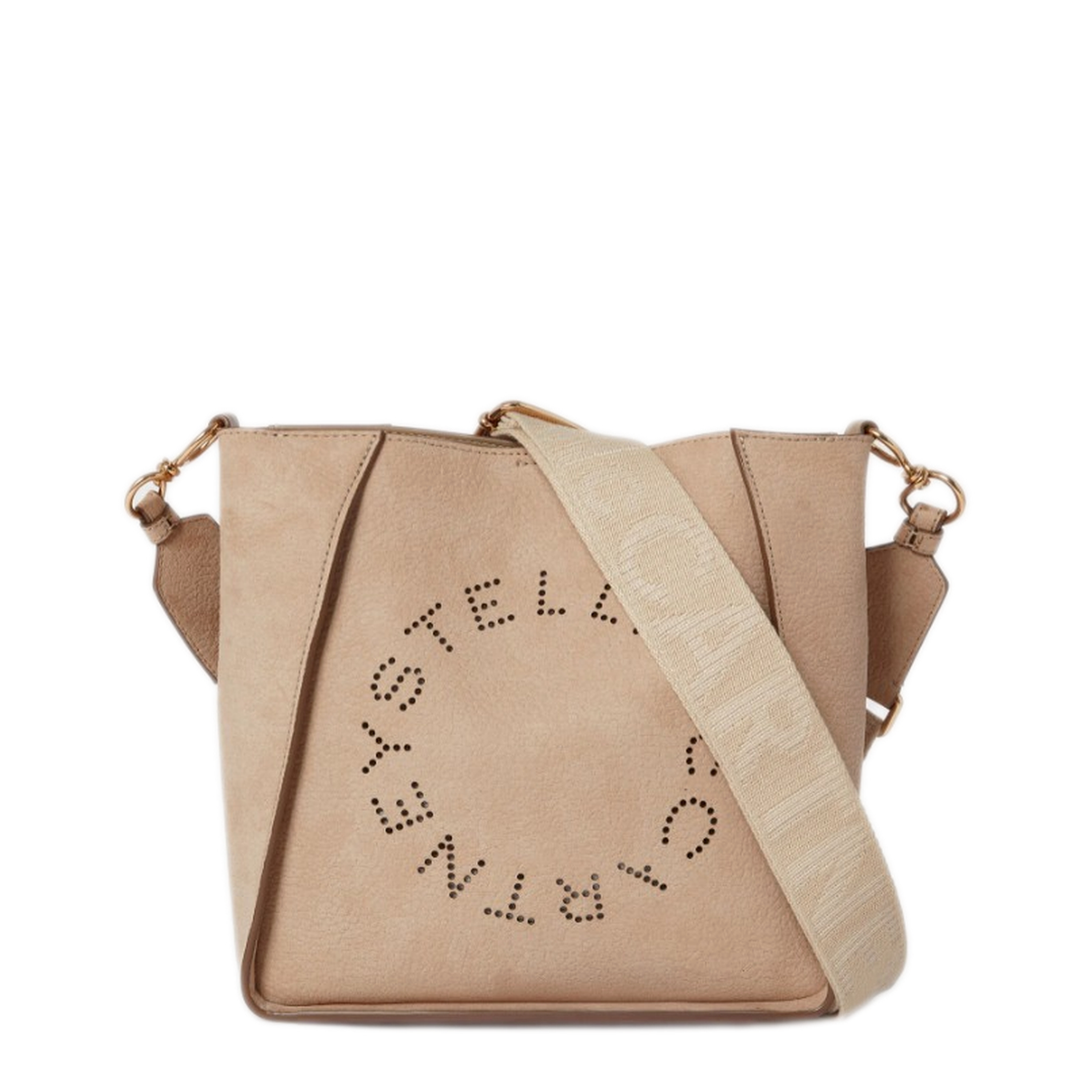
A compact bag is the most efficient evening change. Moving from a larger day bag to a pouch or small shoulder form removes visual volume and concentrates attention near the hand or torso. Choose a colour that relates to the dress without disappearing entirely; ecru beside brown or black can create a controlled point of light.
Vogue's exploration of fluid dress styling shows how footwear and layers can redirect a simple dress silhouette. The useful lesson is adaptability, not a requirement to adopt one specific trend. A dress with a clear line can hold different accessories while remaining itself.
The Lemaire cotton-and-linen midi dress and Bottega Veneta Andiamo pouch on strap demonstrate this approach. Wear the dress with a flat and larger bag by day; bring the smaller ecru pouch into focus at night. If the product includes alternate carrying options, rely on the live page to confirm them.
For a warm weather evening dress, resist adding layers merely to signal formality. Change scale, surface or jewellery first. If a layer is needed for indoor cooling, it should be easy to remove and should not conceal the dress's strongest line.
The daytime bag can remain nearby without appearing in the evening composition. If changing bags, pack only what the smaller shape can hold comfortably and decide where the larger bag will be stored. A transition is successful when it is operationally simple as well as visually convincing.
Footwear can remain unchanged when the dress and compact bag already provide sufficient focus. This is often the most realistic solution after a long day. If you do change shoes, choose a pair with a similar hem relationship so the dress length still looks deliberate.


Let One Evening Detail Lead
The final formula uses contrast. A dark, narrow dress becomes more evening-focused when paired with an ivory or pale shoulder bag, especially if the bag has a precise outline. The colour change is enough; shoes and jewellery can remain restrained. When several accessories compete, the versatility of the dress becomes harder to see.
Knowing how to style a midi dress also means controlling where the line is interrupted. A shoulder bag creates a horizontal point near the torso, while a hand-held pouch leaves the dress front clear. A crossbody adds a diagonal. Choose the carry position that complements the neckline and waist rather than selecting it automatically.
The Khaite Paley dress and Ferragamo Cara small shoulder bag create a strong black-and-ivory pairing. By day, use a flat shoe and keep the bag practical. By evening, shorten or remove a longer strap only if the verified product design allows, then add one piece of jewellery near the face.
Comfort remains part of evening polish. If the dress twists, restricts stride or requires constant adjustment, the problem will become more noticeable as the day continues. Try sitting, walking and carrying the intended bag. A successful day-to-evening dress protects attention rather than demanding it.
MAYFEYR's women's bag collection and specific dress searches make it possible to compare scale and colour before opening each product page. Use those routes contextually, then verify availability and details at the item level.
Consider the photograph test from several distances. Up close, texture and jewellery dominate; across a room, silhouette and contrast matter more. A day-to-evening dress should remain coherent at both distances. If the look depends entirely on a tiny evening detail, strengthen the bag colour or shoe line rather than adding several more accents.
Repeat the complete formula once before relying on it for an important event. The rehearsal will reveal practical issues such as where to store the day bag, whether the layer creases and how long the transition takes. Confidence comes from removing those small uncertainties in advance.


Use a one-change rule when testing a dress. Swap the bag, the shoe or the jewellery—but not everything at once. If the outfit shifts convincingly, the dress has real range. If it requires a complete supporting cast, its day-to-evening role may be narrower than expected.
A versatile dress is not necessarily plain. It simply has a strong enough line to remain clear as the context changes. Choose that line first, then let accessories adjust the emphasis.
Frequently Asked Questions
What makes a dress suitable for both day and evening?
A comfortable, well-resolved silhouette, climate-appropriate fabric and a length that works with more than one shoe. Accessories should shift the mood without rebuilding the outfit.
Which dress colour is most versatile?
Black and navy are easy foundations, but brown, olive and cream can also move between settings. Choose a colour that connects with the shoes, bags and layers you already own.
How can I make a midi dress feel more formal?
Change one detail with visual focus: a compact bag, refined shoe, precise jewellery or a light structured layer. Keep the dress line visible and avoid competing accents.
What should I carry for an after-work transition?
A smaller bag or jewellery change is usually enough. If indoor temperature is a concern, add a packable light layer that works with the dress by day and night.
Final Perspective
The best day-to-evening dress does not perform two separate identities. It offers one assured silhouette with enough range to respond to a new setting. Choose the base carefully, change one detail and let continuity become the luxury.


Share:
Loafers vs Ballet Flats: Which Works Better for Your Wardrobe?